
Science Isn't Sacred
And if it is, it's not science

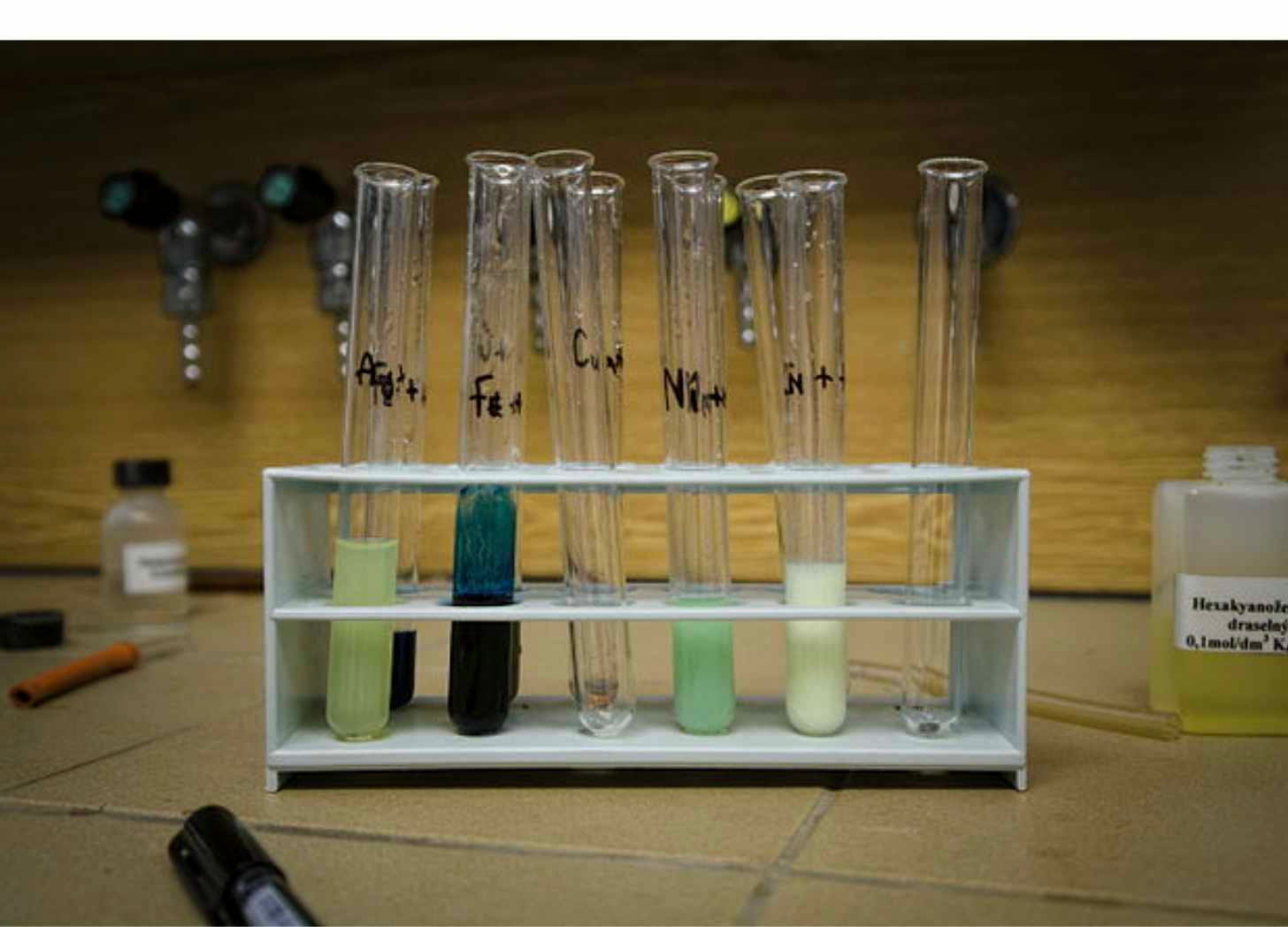
At the beginning of the Enlightenment, science was a form of truth-telling, a dangerous activity that challenged the existing understanding of the world. It was a way to be open-minded in the face of suffocating social conventions.
But, like perhaps all new ideas, the Enlightenment also generated a grand narrative of mechanistic ideals in which there was nothing in the universe beyond what could be quantified by Newtonian physics. [Somehow, the revelations of quantum mechanics and chaos theory are ignored. But then Niels Bohr said that if one was not shocked by quantum mechanics, one hadn't understood it.]
But once it became the dominant discourse, Enlightnement ideals were used for the acquisition of power and transformed into an ideology that couldn’t be questioned.
Scientific practice is based on making continual efforts to test theories against experience, and make revisions in that theory based on the outcomes. But what we have now often isn’t the Enlightenment ideals that lead to inquiries. A scientist’s best work often occurs when they are young and still open to inquiry. Once their work is funded by those who desire specific outcomes, it’s all too easy to produce the hoped-for result. Upwards of 64% of biological research is now funded by corporations.
This is exactly the problem that became evident in several fields of science in the early 2000s. This began in 2005 with the discovery of outright fraud but continued as a crisis in the replication of results. Biomedical research was particularly bad with 85 percent of studies not being replicatible.** But we only hear about the published papers, not the retractions. ***
Money isn’t the only motivation. The desire to seek influence or be socially acceptable can be just as powerful. How many papers that went against the narrative of covidism were presented with warnings during that recent tribulation? How many that were written long before 2020 were blocked on social media?
As long as we choose the social rules of Isms over genuine curiosity, what is true will never win over narrative. Our world, and our lives, are much more than we can observe, even with the tools of modern engineering. We cannot simply break our world into tiny pieces - or trust others to do so - and think that we understand it.
** John Ioannidis
https://www.newscientist.com/article/dn7915-most-scientific-papers-are-probably-wrong/
*** https://retractionwatch.com/the-retraction-watch-leaderboard/
Selina Rifkin, M.S. [Nutrition], LMT, has been to Hades in a handbasket. More than once. This has given her some opinions. Like most of her generation [X] she’s okay with snark. Most days she tries for good writing. But the snark, and side comments creep in. She lives with her husband, and is Mother of Cats; four boyz and one cranky gurl. Selina has written The Young Woman’s Goodlife Guide: Things I Wish I’d Known When I Was 20. Or… Learn From My Pain, and How to Train Your Cat: Using a Clicker and Leash to Keep Your Indoor Cat Happy and Healthy, and the Goodlife Guide to Nutrition.